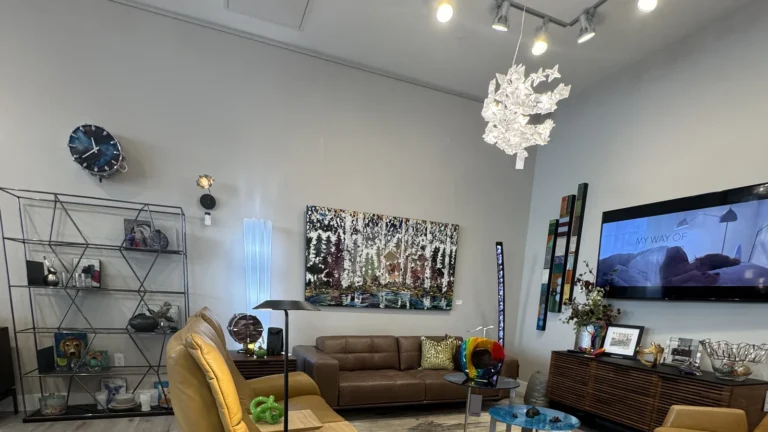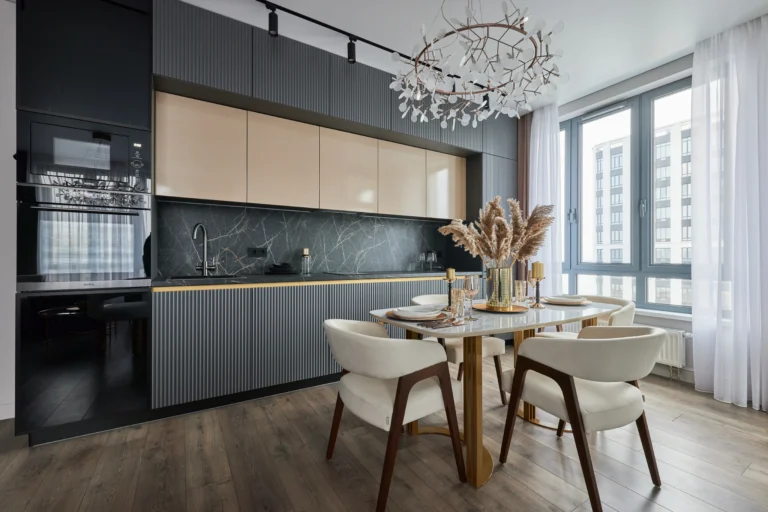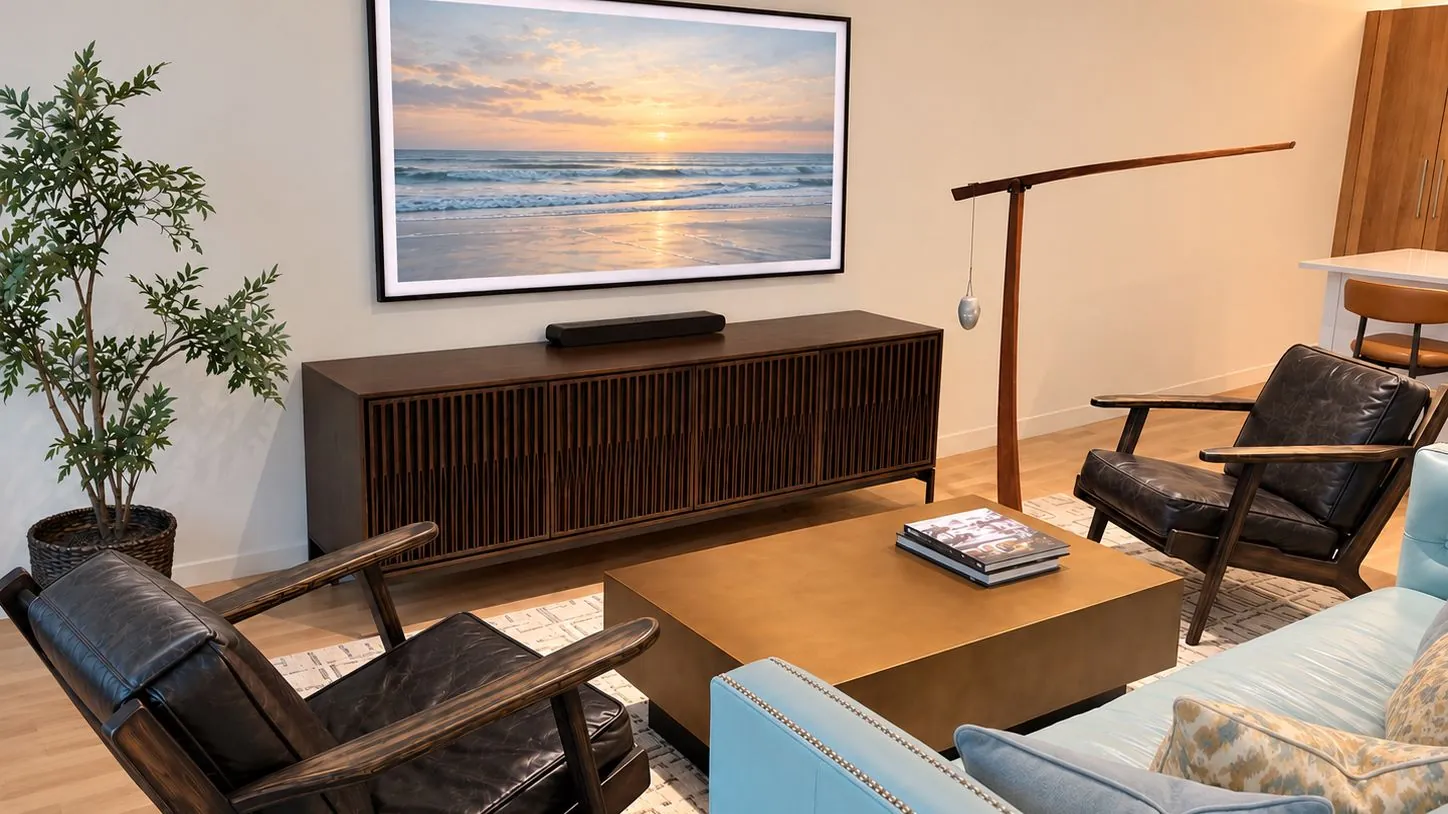
Some of the most compelling interiors refuse to fit neatly into a single design category. A room might pair a streamlined contemporary sofa with the warmth of natural wood, introduce an elegant dining chair beside a sculptural modern table, or balance architectural lighting with comfortable, understated upholstery. The result feels collected rather than coordinated, and distinctly personal.
Blending contemporary and transitional interior design is particularly effective because these two styles already share an appreciation for thoughtful proportions, quality materials, and livability. Contemporary design brings clean lines and fresh forms, while transitional design introduces softness, warmth, and familiar elements that keep a room approachable.
At ELEMENT HOME, our collection includes furniture from American, Canadian, and European brands with very different design perspectives. That variety makes it possible to mix manufacturers such as Copeland, Huppé, Lazar, and Calligaris within the same space rather than furnishing an entire room from a single collection.
Here’s how to get the balance right.
Contemporary vs. Transitional Design: What’s the Difference?
Before combining the two, it helps to understand what each style contributes.
Contemporary furniture reflects today’s approach to design. Expect streamlined silhouettes, innovative materials, sculptural forms, and an emphasis on uncluttered spaces. Glass, metal, stone, leather, and beautifully finished wood can all have a place in contemporary interiors.
Transitional design bridges traditional and contemporary aesthetics. Instead of ornate details or strongly traditional forms, it takes familiar shapes and simplifies them. Upholstered seating may have softer curves, wood adds warmth, and neutral palettes create an inviting foundation.
When combined thoughtfully, contemporary furniture prevents a transitional room from feeling too conventional, while transitional elements soften modern spaces that might otherwise feel stark.
Start with an Anchor Piece
When mixing furniture styles, begin with one piece that establishes the room’s direction.
In a living room, that will often be the sofa or sectional. In the dining room, it’s usually the table. In a bedroom, the bed naturally becomes the visual anchor.
Once you’ve established that foundation, surrounding furniture doesn’t need to match it exactly.
For example, a streamlined Lazar sofa can provide a distinctly contemporary starting point while warmer wood tables and softer accessories introduce transitional character. Conversely, a beautifully crafted hardwood piece from Copeland can ground a room in natural warmth while more sculptural contemporary seating creates contrast.
The objective isn’t to make everything match. It’s to give different pieces a reason to belong together.
Use Materials to Create Continuity
Material is one of the easiest ways to connect furniture from different styles and brands.
Natural wood is particularly effective. Walnut, oak, maple, and other hardwoods can soften sleek contemporary furniture while introducing the warmth associated with transitional interiors.
Copeland Furniture, made in Vermont, is an excellent example. Its emphasis on natural hardwood and clean construction allows many pieces to move comfortably between modern and transitional settings. A Copeland dining table can provide organic warmth without introducing unnecessary ornamentation.
Canadian brand Huppé offers another interpretation of contemporary wood furniture, pairing natural materials with streamlined forms well suited to bedrooms, dining rooms, and modern living spaces.
Rather than focusing exclusively on whether a piece is “modern” or “transitional,” consider its material language. Repeating wood tones, metals, upholstery textures, or finishes throughout a room creates cohesion even when individual silhouettes differ.
Add European Influence with Calligaris
Introducing furniture from different design traditions can keep a blended room from becoming predictable.
Italian brand Calligaris offers an opportunity to bring European contemporary design into a softer transitional environment. Its dining tables, seating, storage pieces, and occasional furniture frequently incorporate ceramics, glass, metal, upholstery, and wood into refined, functional forms.
A sculptural Calligaris dining table, for example, can become the contemporary focal point of a room while upholstered chairs introduce softness around it.
This is an important principle when mixing styles: contrast works best when it appears intentional.
Instead of finding five pieces that look almost identical, select one or two that introduce a noticeably different shape or material. Those contrasts give the room depth.
Soften Clean Lines with Upholstery
Contemporary interiors often feature strong geometry. Upholstery provides an opportunity to soften those lines without abandoning a modern aesthetic.
Consider adding:
- A curved accent chair beside a linear sofa
- Upholstered dining chairs around an architectural table
- A textural bench beneath minimalist artwork
- A plush sectional paired with sleek occasional tables
A manufacturer such as Lazar can work especially well in this context because contemporary silhouettes can be personalized through different upholstery choices.
Fabric selection matters just as much as furniture shape. A highly structured piece can feel warmer in a tactile neutral textile, while leather can give a softer silhouette additional sophistication.
Don’t Be Afraid to Mix Furniture Brands
Buying an entire matching furniture suite can make decorating straightforward, but it isn’t the only path to a cohesive interior.
Luxury interiors often become more interesting when they incorporate multiple manufacturers.
You might combine a Copeland wood piece with Lazar upholstery, a Calligaris table, Huppé storage, and lighting from another designer entirely. What ties the room together could be a consistent color palette, repeated materials, complementary proportions, or an overarching emphasis on craftsmanship.
This is where a curated furniture showroom can be especially valuable. At ELEMENT HOME, products from different manufacturers are presented together, making it easier to see relationships between brands rather than viewing every collection in isolation.
Create a Balanced Color Palette
A restrained palette gives you more freedom to experiment with furniture styles.
Warm whites, taupes, creams, charcoal, muted earth tones, and natural wood finishes provide a flexible backdrop for contemporary and transitional pieces alike.
That doesn’t mean the room needs to be colorless.
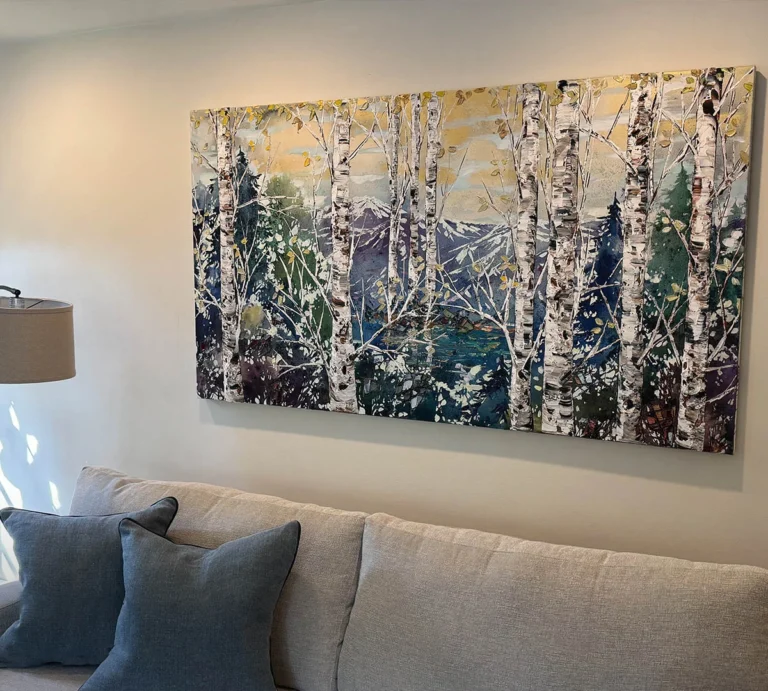
Instead, introduce stronger color strategically through upholstery, rugs, accessories, or original artwork. A colorful canvas can energize a room filled with neutral furniture without changing its overall sophistication.
Because ELEMENT HOME is also a contemporary fine art gallery, artwork can be considered alongside furniture rather than treated as an afterthought. This makes it possible to use art as a bridge between different materials, colors, and furniture styles.
Pay Attention to Scale and Proportion
Style isn’t the only factor that determines whether furniture works together.
Two pieces from completely different design traditions can coexist beautifully when their proportions feel balanced. Conversely, pieces with similar aesthetics can look wrong together if their scale is mismatched.
Consider the relationship between:
- Sofa and chair heights
- Dining tables and seating
- Coffee table dimensions and sectional size
- Artwork and surrounding furniture
- Lighting fixtures and ceiling height
This becomes particularly important in small, awkward, or open-concept rooms.
The ELEMENT HOME design team regularly helps clients evaluate scale and furniture placement, whether they’re furnishing an entire home or introducing one new piece into an existing space.
Let Your Home Determine the Mix
There is no universal formula requiring a room to be 60% contemporary and 40% transitional.
Your architecture, existing furniture, lifestyle, and personal preferences should determine the balance.
A contemporary Cherry Creek residence may benefit from warmer transitional elements that make sleek architecture feel more inviting. A more traditional home might benefit from sculptural furniture and modern lighting that make the interior feel current without erasing its character. A Colorado mountain home might combine modern upholstery, natural wood, original art, and organic materials to create its own interpretation of mountain modern.
The best interiors aren’t defined by labels. They’re defined by how successfully everything works together.
Find Your Balance at ELEMENT HOME
Mixing contemporary and transitional furniture gives you the freedom to create a home that feels collected over time rather than purchased from a single catalog. The key is finding common threads: materials, proportions, colors, craftsmanship, and comfort that allow different design perspectives to coexist naturally.
With brands such as Copeland, Huppé, Lazar, Calligaris, and many other American, Canadian, and European manufacturers, ELEMENT HOME offers the variety needed to explore those possibilities in one place.
Visit our Cherry Creek North showroom to compare furniture brands, experience materials and finishes firsthand, and work with our complimentary design team. Whether your style leans contemporary, transitional, mid-century modern, mountain modern, or somewhere in between, we’ll help you create a space that feels cohesive without sacrificing what makes it uniquely yours.